



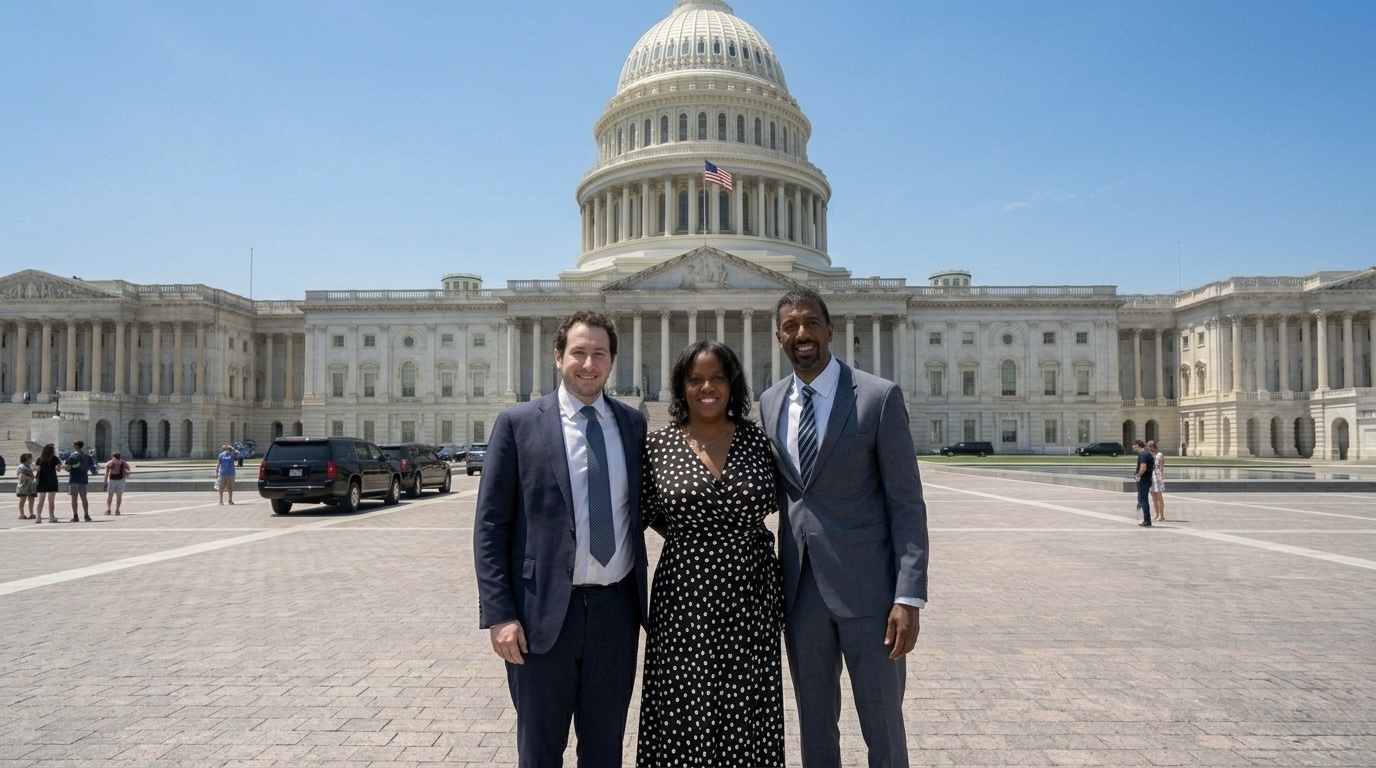
Earlier this month, the Alchemy team was honored to participate in NMAC's Hill Day in Washington, D.C., joining advocates, providers, policymakers, long-term survivors, and people living with HIV from across the country.
The day began with NMAC's National Advocacy Roundtable, convened in partnership with the Congressional HIV Caucus, Equality Caucus, and the Democratic Task Force for Aging and Families. The discussion marked both the 45th anniversary of the CDC's first Morbidity and Mortality Weekly Report on what would later become known as AIDS and HIV Long-Term Survivors Awareness Day.
The roundtable was framed around a difficult question: Why is the United States falling behind its own HIV goals despite unprecedented advances in prevention and treatment?
The roundtable brought together voices that do not often have the opportunity to engage in the same conversation. Long-term survivors reflected on lessons learned over four decades of advocacy. Community organizations and healthcare providers shared the realities facing patients today. Policymakers and congressional staff discussed the challenges of sustaining federal support. Business leaders explored how innovation, technology, and employer engagement can strengthen the response.

While perspectives differed, participants returned to a common theme. The tools to end the HIV epidemic already exist. The challenge is ensuring those tools reach every person and community that needs them.
We were especially proud to participate alongside some of our clinic partners, including Kathie Hiers, CEO of AIDS Alabama. Together, community leaders from across the South brought the perspective of HIV service organizations into a conversation that included policymakers, long-term survivors, healthcare providers, advocates, and business leaders.
Drawing on decades of experience serving people living with HIV, Hiers shared the story of a teenager who delayed seeking care because he feared his family would discover his HIV status. By the time he entered care, his disease had progressed significantly. Despite eventually being connected to treatment, he later died.
A community leader from Texas shared a different story that highlighted how stigma continues to shape healthcare decisions. He described speaking with someone living with HIV who had moved from Dallas to a smaller city in East Texas but continued driving back to Dallas every three months for care because he was afraid to visit a clinic in his hometown.
"He's still afraid in 2026 of who's going to see him and know his status," he told the room.
The stories were different, but the underlying message was the same. Forty-five years after the first reported cases of AIDS, stigma, fear, and barriers to care continue to prevent people from accessing life-saving services. Scientific advances have transformed what is possible in HIV prevention and treatment, but progress depends on ensuring those advances reach people where they live.
Following the roundtable, Alchemy joined NMAC and our partners Alabama and Texas in meetings with congressional and Senate offices representing Alabama and Texas. Together, we advocated for sustained federal investment in HIV prevention, treatment, and care at a moment when many of the programs that underpin the nation's HIV response face significant funding uncertainty.
The day concluded with an evening reception commemorating 45 years since the first MMWR publication. The event brought together long-term survivors, advocates, policymakers, and community leaders to reflect on the history of the HIV movement and the responsibilities that come with this moment.
The conversations throughout the day highlighted a paradox of the modern HIV response. Scientific progress has never been greater, yet many of the barriers that prevent people from accessing care remain stubbornly persistent. Forty-five years after the first reported cases of AIDS, the challenge is no longer whether we can end the epidemic. It is whether we can build systems capable of delivering prevention, treatment, and support to everyone who needs them.
We are grateful to NMAC for convening these conversations and proud to stand alongside our partners as we continue working toward ending the HIV epidemic.

We have to start thinking and doing things differently if we are going to end this epidemic. Not differently as in abandoning what works, but differently as in finally building systems that are designed for the people who need them most.
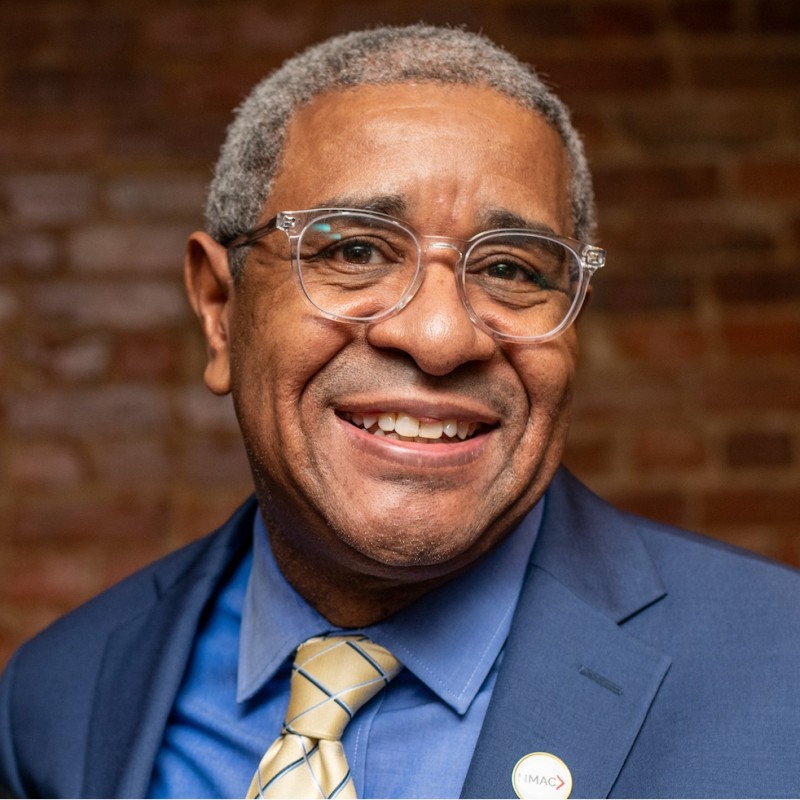
Harold Phillips
CEO, NMAC

